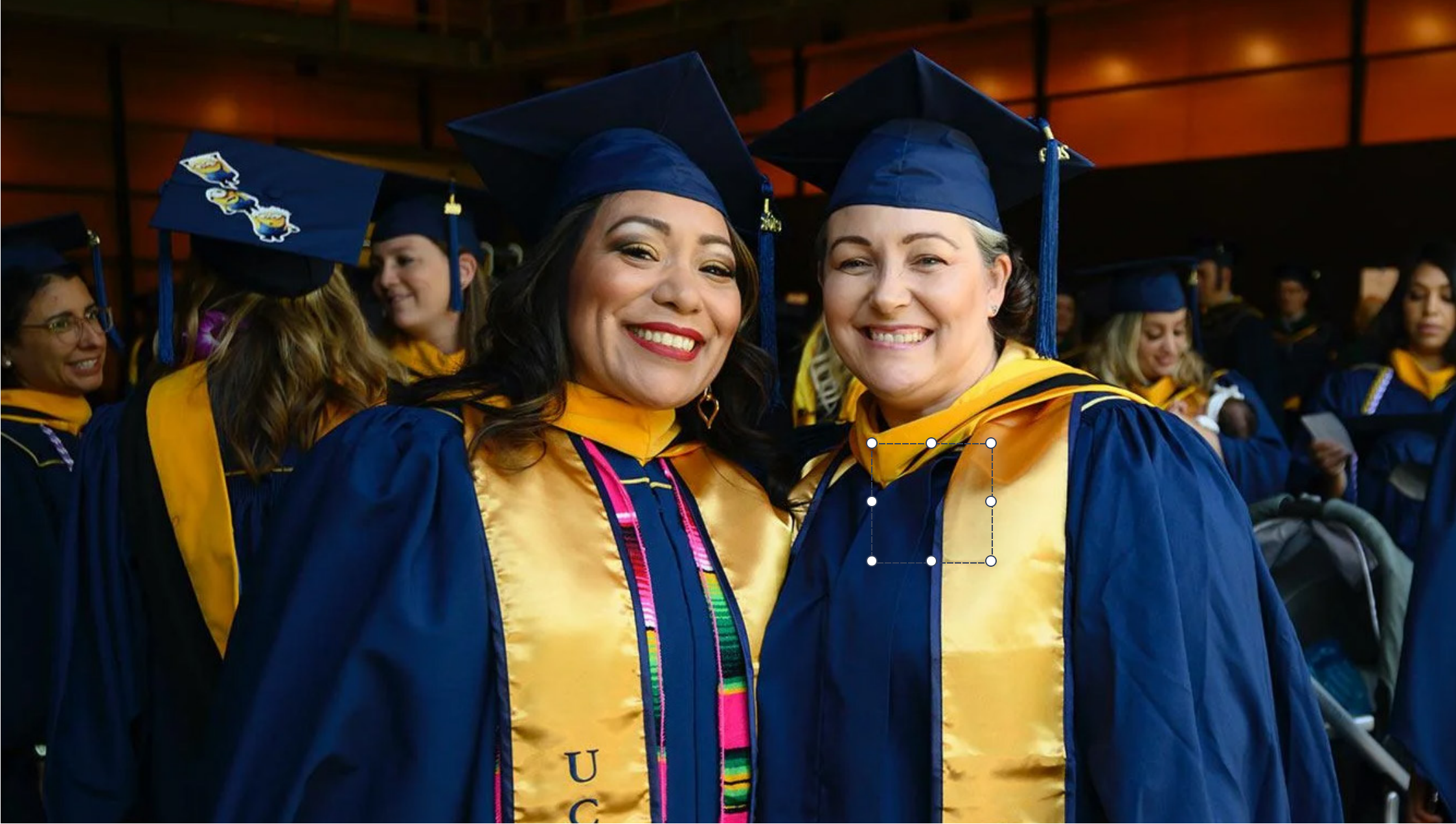
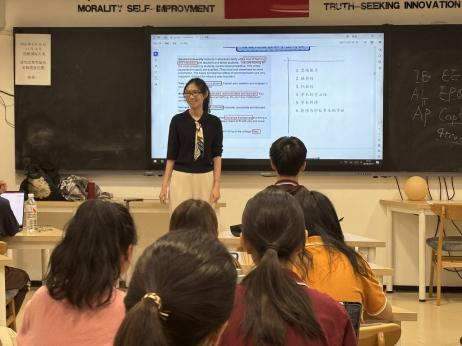
UC Davis Global Academic Pathway
Program (GAPP). GAPP is an intensive two-year program designed for international students
who wish to improve their English language and academic skills within a university campus,
better prepare for university life, and obtain transferrable credits/units for matriculation into UC
Davis, other UC campuses, and/or other USA universities.
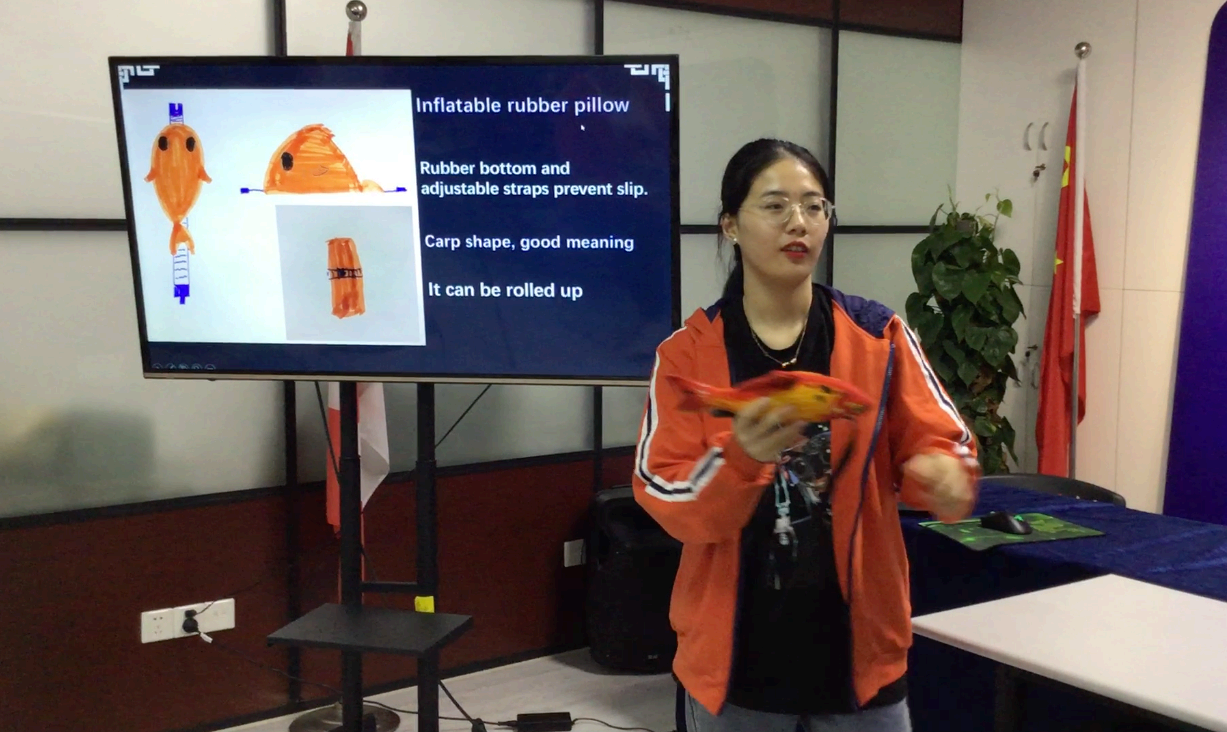
Genius Hour is the school's signature innovative education program, inspired by Google's renowned '20% Time' management model. The project requires each student to spend at least 8 hours per week (20% of their study time) on self-selected research topics under the guidance of a mentor, spanning 1-2 academic years to complete the entire process from project initiation to presentation. In the 2023-2024 academic year, 87 projects were launched simultaneously across six major areas: 1) Technological innovation (such as AI-assisted disability equipment development), 2) Business entrepreneurship (with 12 student-founded companies incubated), 3) Artistic creation (including fashion design and digital media), 4) Academic research (publishing 5 papers), 5) Social innovation (such as community service app development), 6) Interdisciplinary projects (such as bio-art installations). The program is equipped with 32 professional mentors and collaborates with 15 enterprises/institutions, hosting two annual exhibitions in spring and autumn. Outstanding projects can receive up to 100,000 yuan in incubation funds.
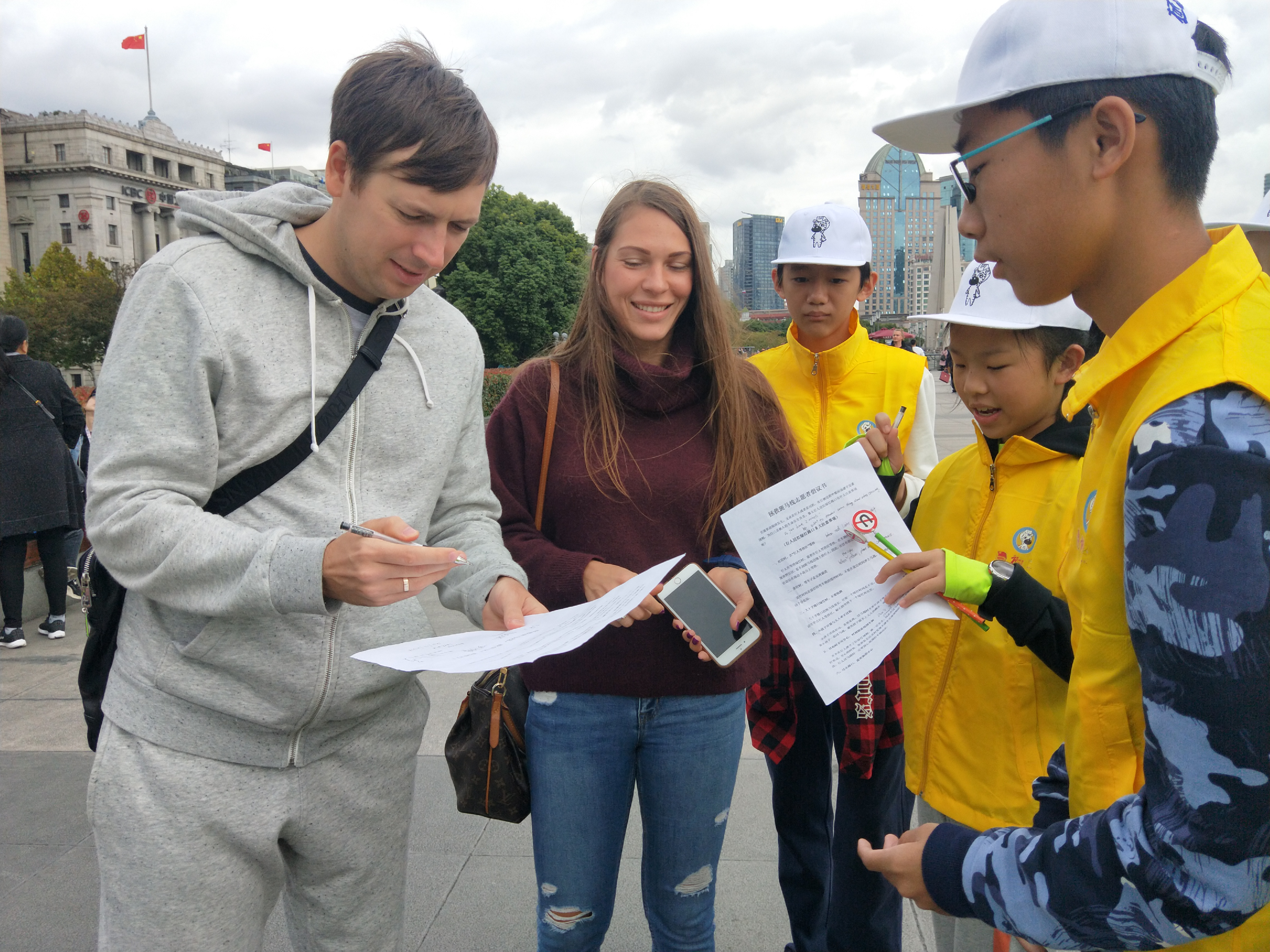
As the oldest moral education program in the school, the Community Service Program adopts the 'Service-Learning' model, deeply integrating volunteer services with course learning. The project consists of four modules: 1) Elder care (two monthly visits to nursing homes and the development of 12 'Intergenerational Dialogue' activities); 2) Environmental protection (an ongoing 18-year Suzhou River cleanup effort that has cleared a total of 5.8 kilometers of river); 3) Educational equality (developing three sets of STEM course packages for migrant worker children's schools); 4) Support for special groups (co-developing art therapy courses with two autism institutions). Before starting service, participants must complete 20 hours of training, record their "Practice Logs" during service, and write reflection reports after completing their service, followed by participation in a defense session. In 2023, the participation rate across the entire school reached 100%, with over 50,000 hours of cumulative service and the establishment of 15 long-term service bases.
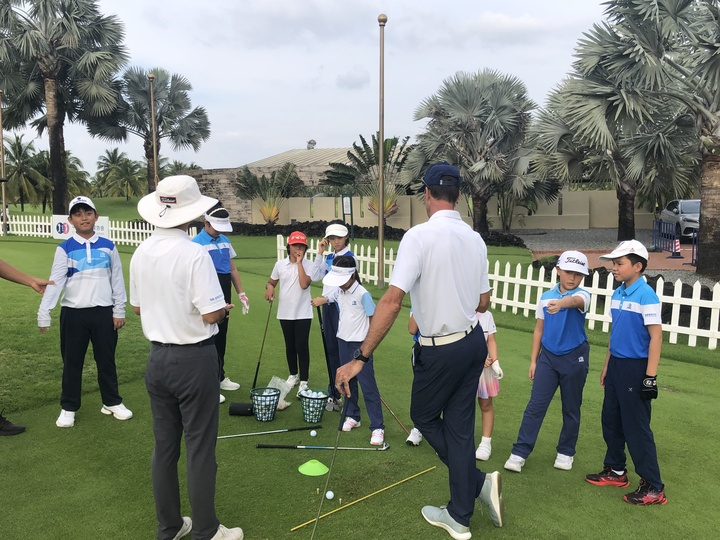
This project leverages the geographical advantage of the school being adjacent to the LPGA Tour venue, Jianhu Lanwan Golf Club, to provide professional golf training for students of different age groups. The high school division focuses on nurturing NCAA-eligible players, with four elite students currently receiving personalized guidance from a team of former international champion coaches. They undergo two hours of specialized training daily (including: 1) swing analysis, 2) course strategy training, 3) mental resilience development, 4) tournament rule study). The program includes: 1) NCAA-certified curriculum, 2) Trackman radar swing analysis system, 3) monthly simulated tournaments, 4) overseas golf academy exchanges during summer breaks. In 2023, the average score of the participants decreased by 15 strokes, and two individuals were selected for the provincial youth team.
This project is the flagship talent cultivation program of Mingcheng College, establishing a K12 integrated training system: during the primary school stage (G1-G6), interest is sparked through engaging math games and science experiments; in the junior high school stage (G7-G9), systematic Olympiad training is conducted; and in the senior high school stage (G10-G12), it connects with top international competitions. The project boasts a luxurious coaching team, including: 1) Zhang Lu (IMO gold medalist); 2) Li Tiehan (former chief coach of Renda High School competitions); 3) Cai Qiao (has nurtured multiple International Olympiad gold medalists); 4) Yang Jinji (IChO gold medal coach). It adopts a 'three-stage cultivation model': potential identification (two professional assessments per year) + customized cultivation (personalized schedules) + university connection (regularly inviting professors from Peking University and Tsinghua University to teach). Achievements in 2023 include: 1) establishing the 'Qian Xuesen Class'; 2) being selected as one of the first bases for outstanding innovative talent cultivation in Chaoyang District; 3) forming a partnership with the Zhou Peiyuan Foundation.
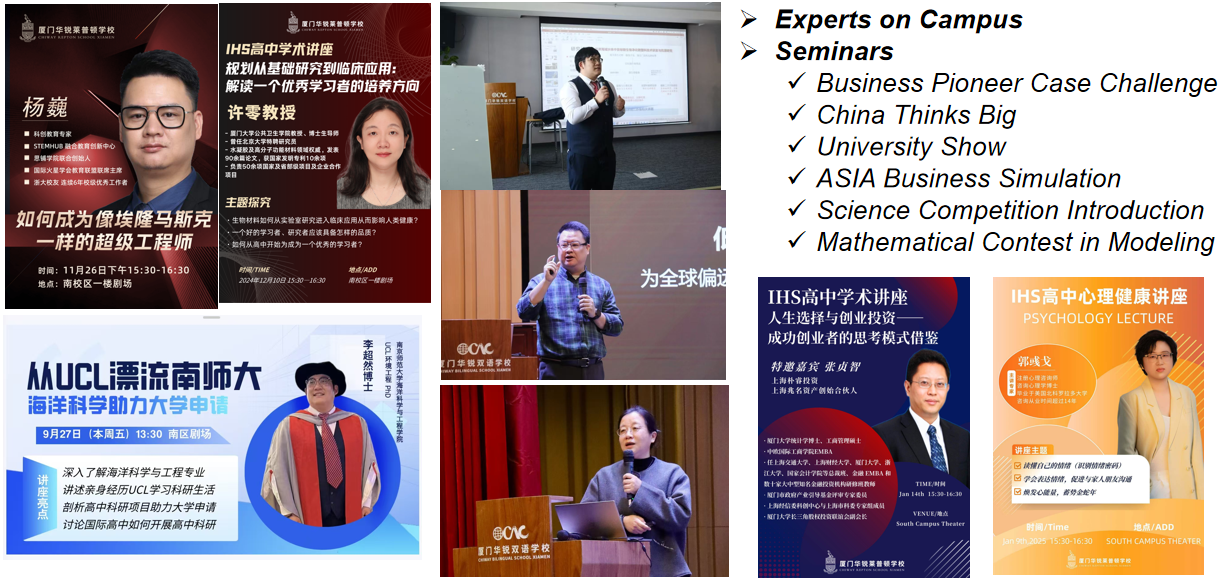
This project is the school's flagship academic development platform, integrating five core modules: 1) industry master lectures (two cross-disciplinary expert talks per month), 2) university resource connections (internship/project collaborations with eight top universities both domestically and internationally), 3) academic mentor program (one-on-one customized academic planning), 4) competition excellence system (covering over 10 international competitions in various disciplines), 5) makerspace (equipped with 3D printing, robotics, and other devices). The first phase of the program was launched in the fall of 2024, and has already included: two online workshops by MIT professors, three open days at Xiamen University laboratories, and students completing 12 PBL projects across fields such as artificial intelligence and bioengineering.
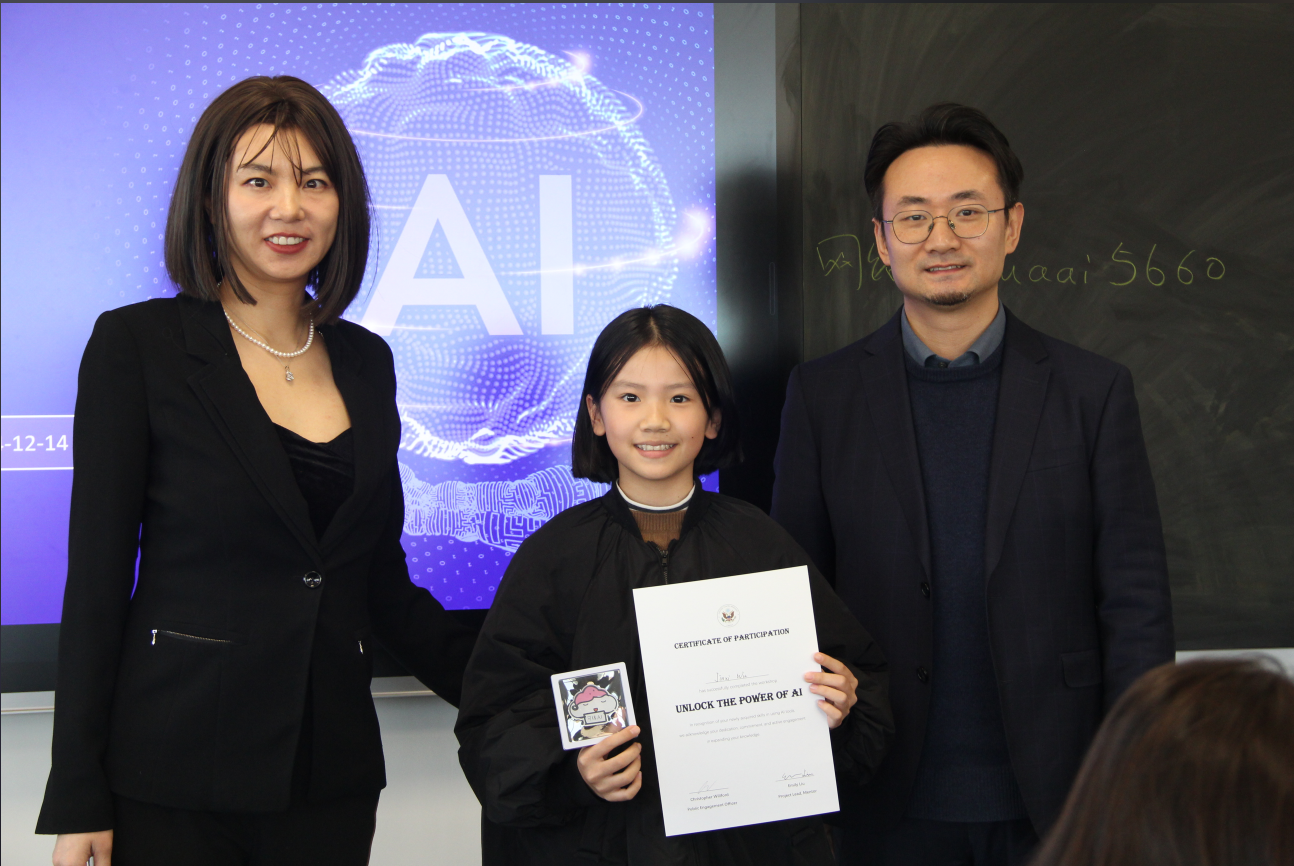
This project is the flagship initiative of Limai School in the field of educational technology integration, aiming to build an AI education system for the entire K12 stage: in primary school (K-G5), interest is sparked through engaging activities such as ChatGPT interactive Q&A and AI drawing; in junior high school (G6-G8), interdisciplinary AI application and ethics education are conducted; in senior high school (G9-G12), the focus shifts to machine learning principles and innovative project development. The school is equipped with: 1) high-performance GPU workstations, 2) Programming Cat/Netease Card learning platform, 3) customized AI textbooks, 4) a teacher AI competency certification training system. It adopts PBL project-based learning, and by spring 2025, 23 student AI projects had been produced, covering areas such as smart environmental protection and educational assistance.The project adopts a dual-track model of 'theory + practice': 1) classroom teaching covers core concepts such as n-gram algorithms and neural networks; 2) workshops conduct practical robot navigation programming; 3) regular science fairs showcase achievements. Students must complete the entire process: algorithm design → program writing → hardware debugging → ethical assessment. To date, three teams have been selected for the FRC regional competition, and two prototypes of intelligent service robots have been developed.
PRA (Project, Research & Application) is the flagship academic program of Elite College, adopting a three-stage training model: 1) Project initiation stage (students form teams of 3–5 members and independently select interdisciplinary topics); 2) Research stage (dual mentorship system: academic advisor + industry consultant); 3) Application stage (technology transfer and presentation). In the 2023–24 academic year, a total of 42 projects were completed, covering areas such as artificial intelligence and sustainable development. Outstanding works directly connect to the G11 EPQ project. Students must complete: a proposal, mid-term defense, final thesis (in English), and an achievement display board. Those who meet the criteria will earn 0.5 credits.
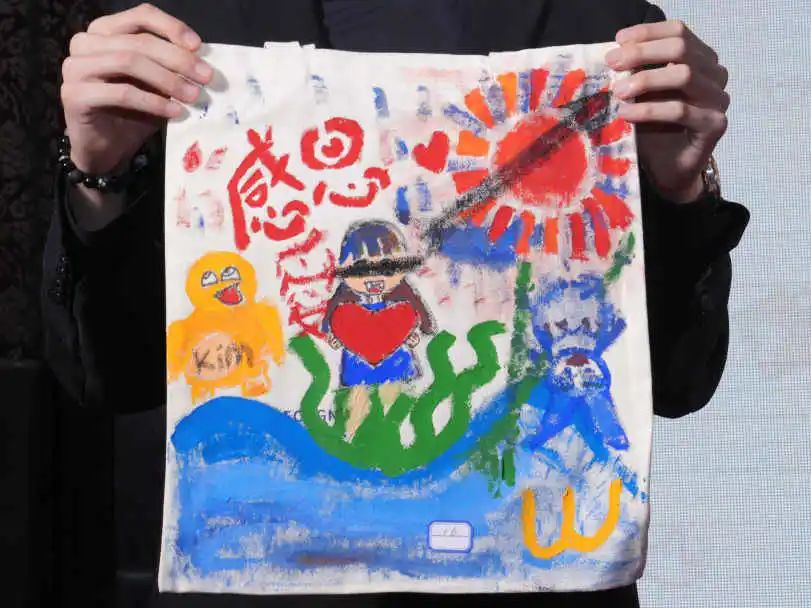
Annual Charity Business Practice Project, building a ‘Learn-Do-Donate’ loop: 1) G11 students take on event planning (responsible for supply chain management/marketing design) 2) G10 students form a simulated company (complete product development/financial accounting) 3) All profits donated to left-behind children’s institutions. In 2023, it attracted over 600 participants, set up 32 commercial booths, raised 38,000 yuan in donations, and was featured in a special report by the Southern Metropolitan Daily. Project features: 1) Real-world business scenario simulation 2) Practical application of economics knowledge 3) Cultivation of social responsibility.
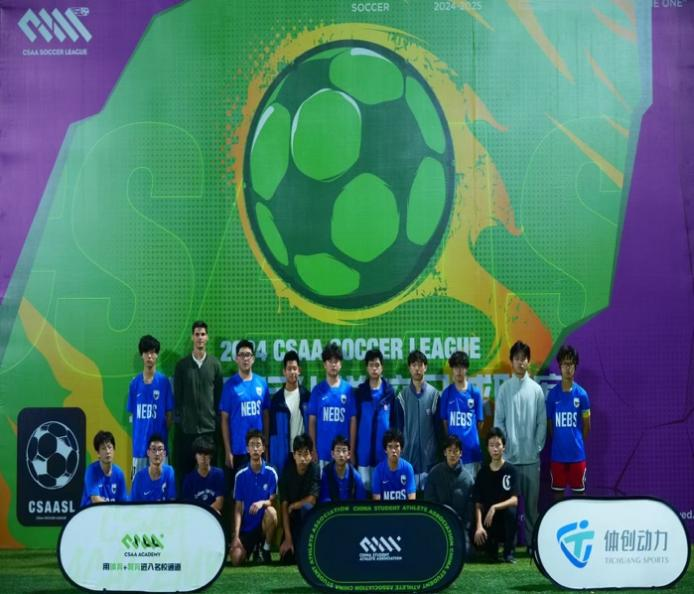
This project is a distinctive sports program at the school, systematically cultivating football talent: 1) Basic training (guided by professional coaches once a week) 2) Team building (three-tier teams for U13, U15, and U18) 3) Competition system (intra-school league + district and city-level matches). In 2024, it has already organized: 8 inter-school friendly matches, 2 referee training sessions, and 1 football culture week event. A team of 3 professional coaches has been assigned, and a youth training cooperation agreement has been established with the Shenhua Football Club, offering outstanding students the opportunity for trial training with professional clubs.
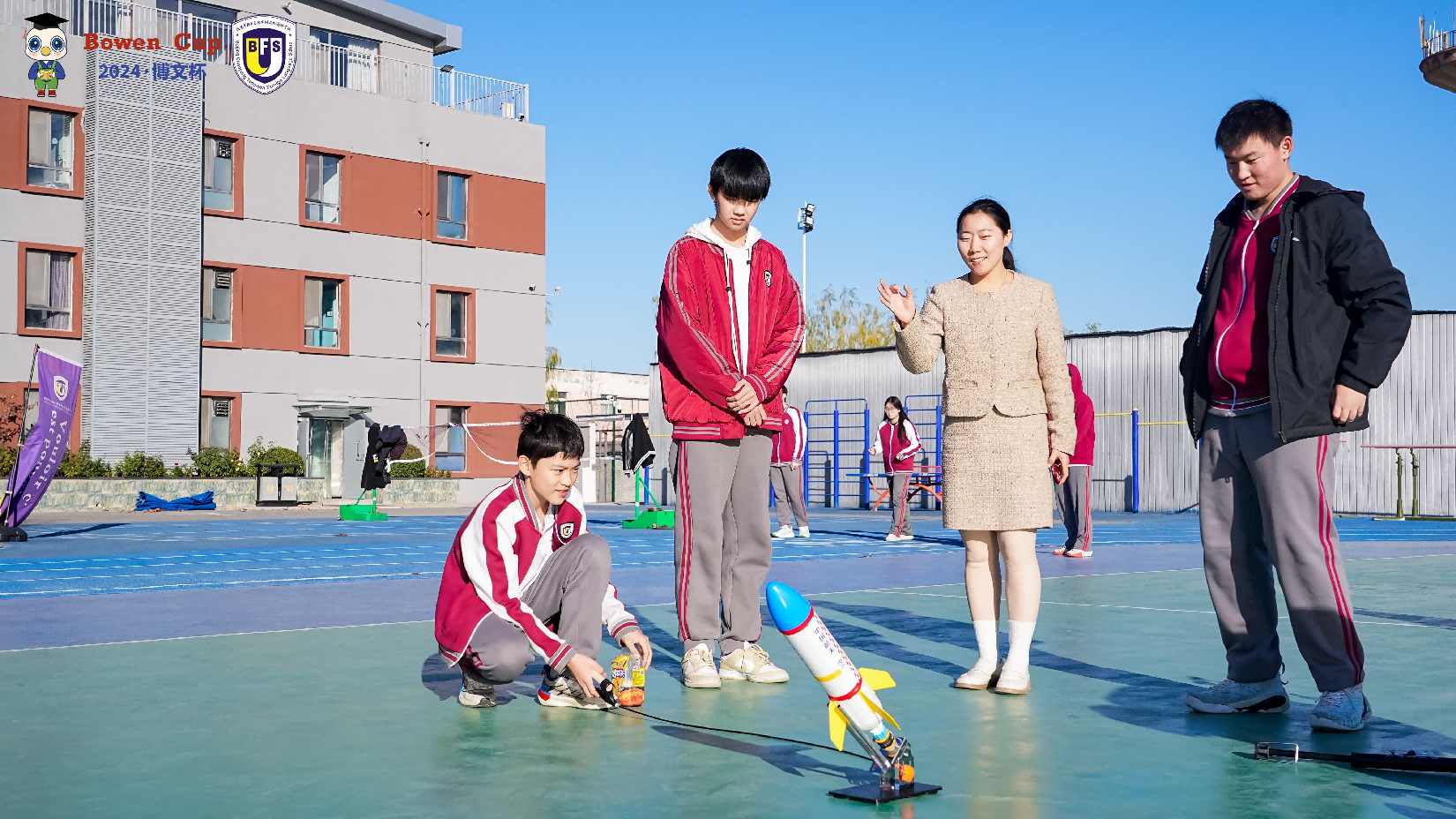
Bowen Cup the academic competition consists of two categories: the Academic Group (Division A), which covers disciplines such as science, literature, art, and social studies, includes three rounds of group writing, group debate, and the Bowen Challenge; the Competition Group (Division C), which offers PBL activities in subjects like language, history, music, business, physics, chemistry, biology, mathematics, physical education, and languages. All participants are referred to as Wenners (a pun on winner), with the mascot named Bowen.
Provide advanced courses in robot programming and AI, participate in FIRST Robotics, VEX and other competitions, carry out Python machine learning training, complete automation graduation projects, and provide internship opportunities in technology companies.
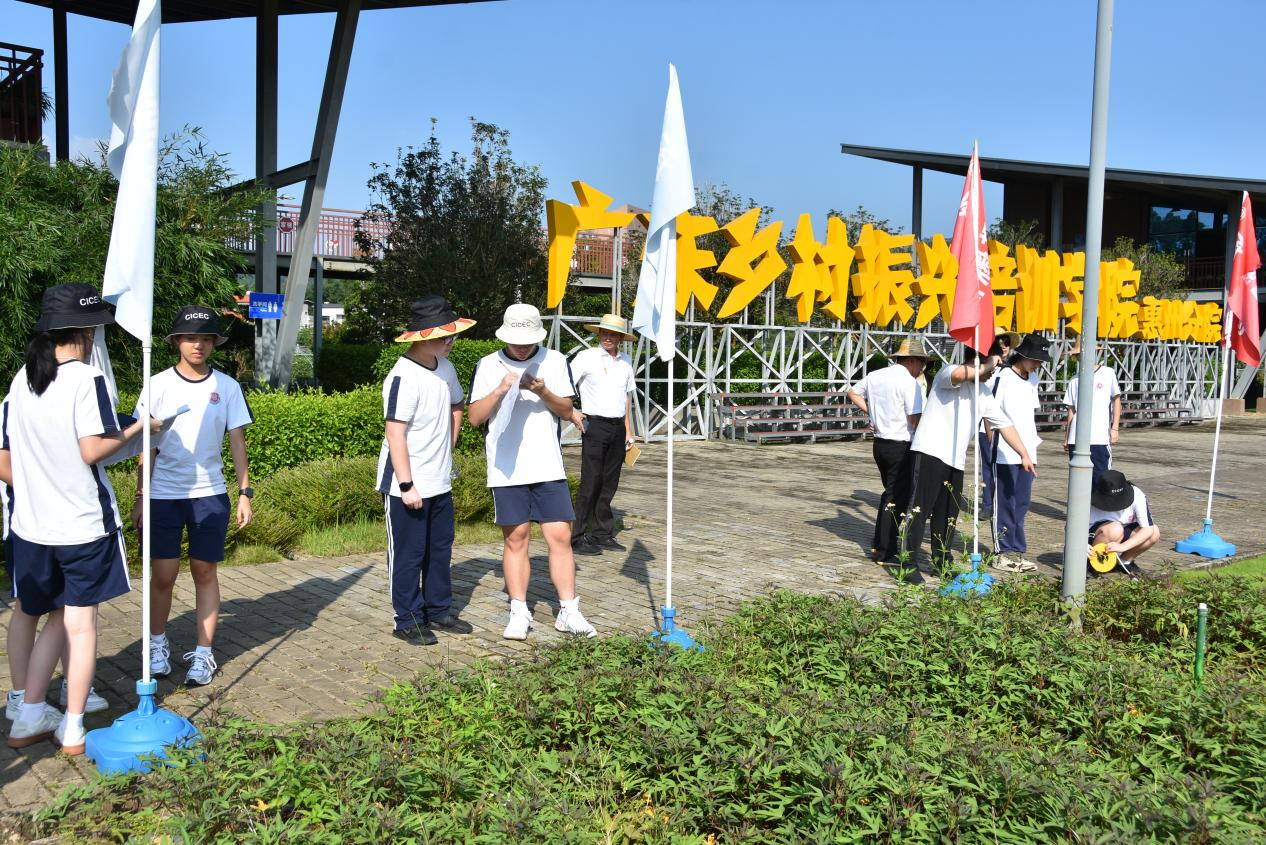
Students complete the entire process from project design to implementation in a real farm environment, which includes eight stages: 1) site survey and measurement 2) project positioning 3) profitability analysis 4) layout design (CAD drawing) 5) cost calculation 6) brand promotion 7) project presentation 8) groundbreaking. Guided by professionals from Chenghan Group, using real project funds.
Students independently founded 30+ clubs such as debate club, USAD decathlon club and robot club, and implemented the "mentor system" with professional teachers' guidance.
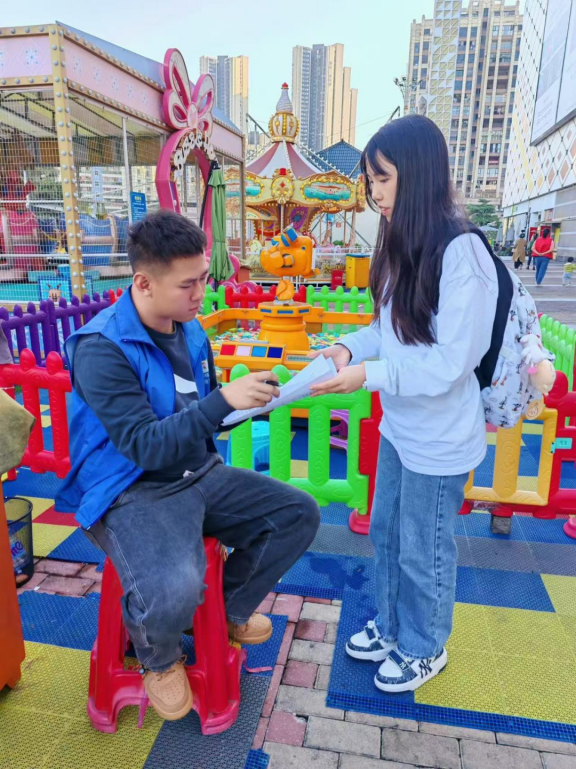
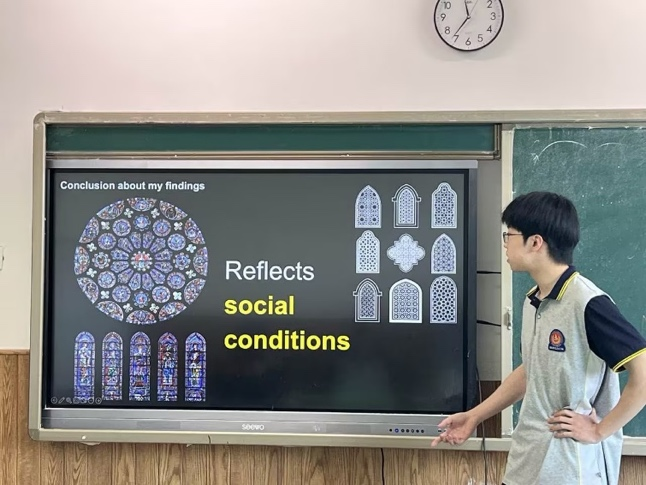
It includes four major projects: micro-research (design of smart medicine cabinets / physics experiments), cultural exploration (Silk Road / Nanjing culture), social investigation (impact of mobile phones / happiness index), and volunteer service (support for children with cerebral palsy). Students participate deeply through methods such as questionnaire surveys (over 1,300 responses), field investigations, and volunteer services.
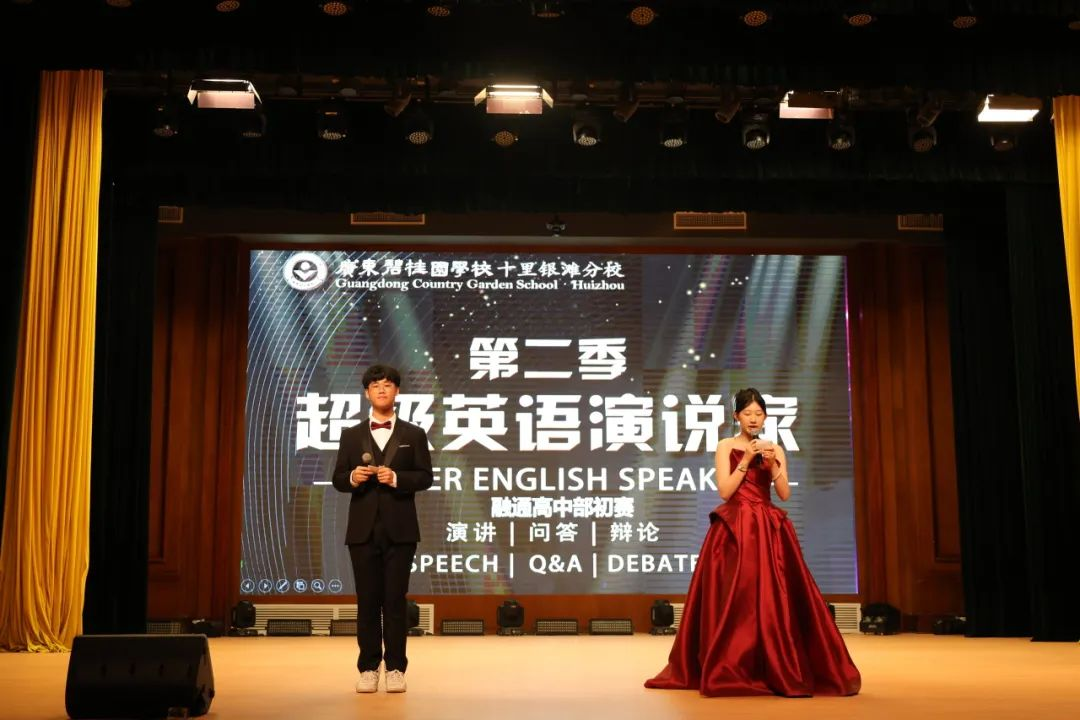
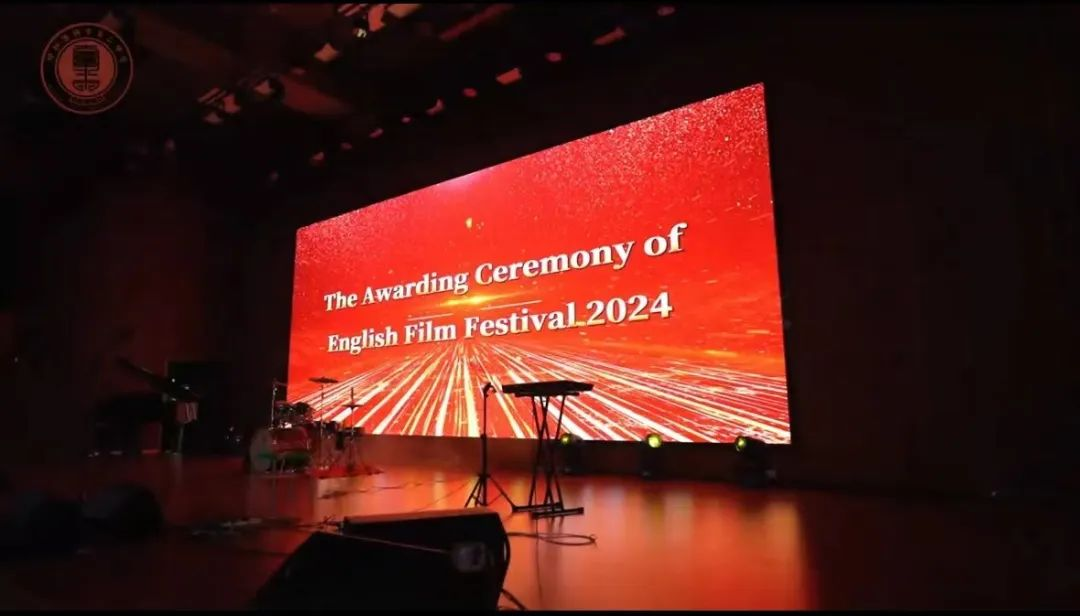
In the second English speech contest, 17 contestants participated in the theme speech, impromptu questions and answers and talent show, with professional comments from foreign teachers, showing students' English expression ability and stage style.
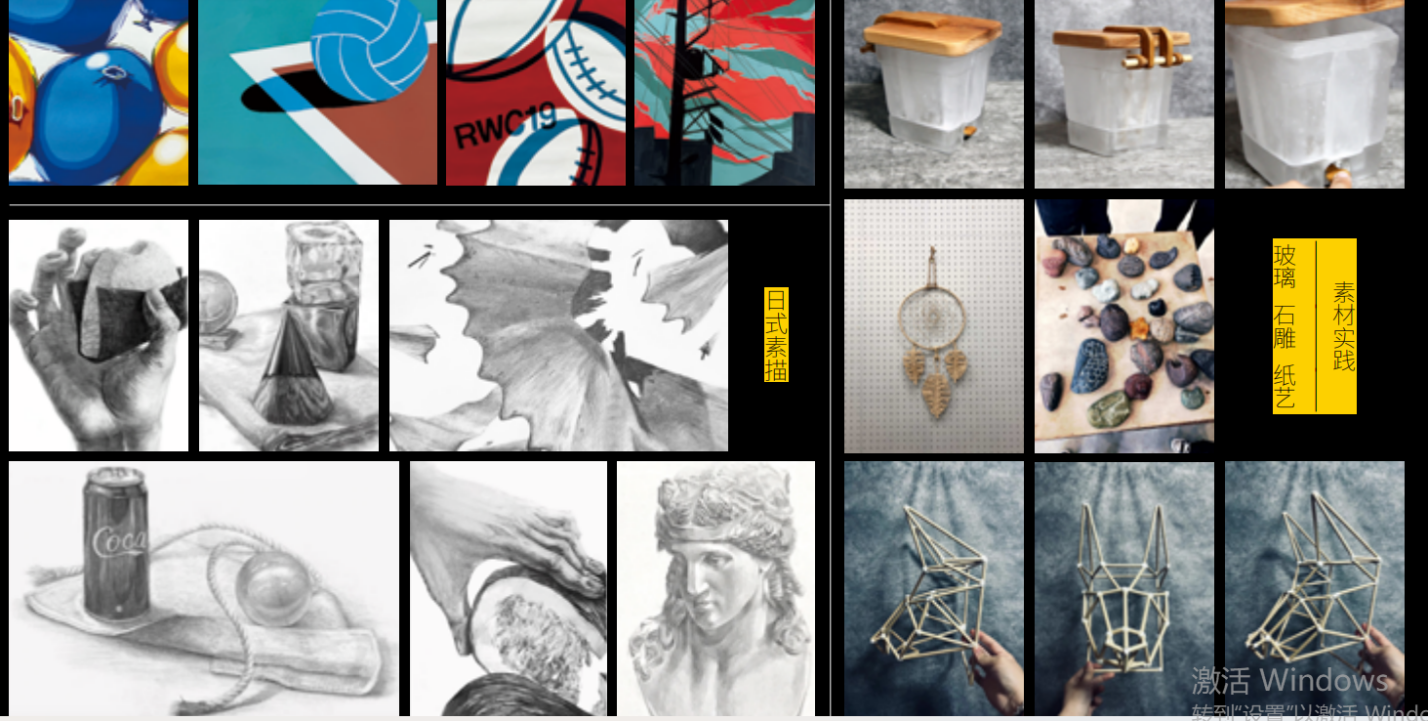
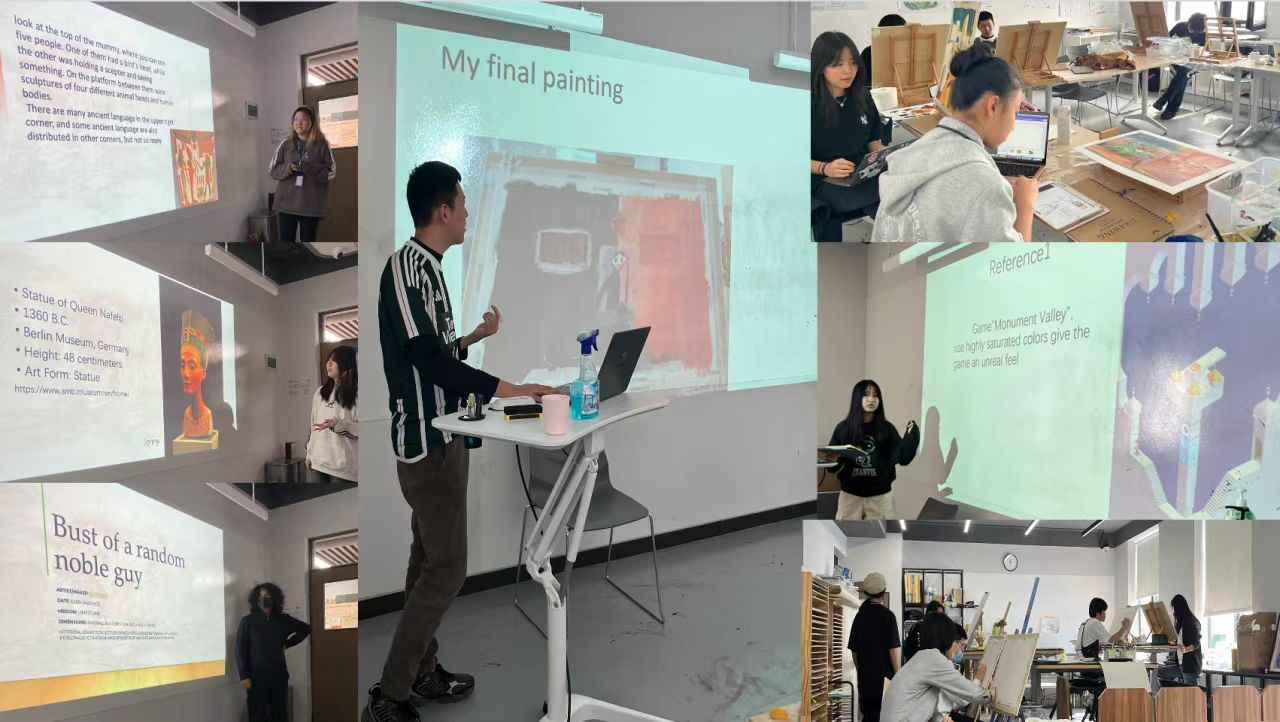
Provide a professional art platform, cultivate students' technical ability in various art media, strengthen the understanding of art theory and cultural background, and lay a foundation for further study or development in creative fields.
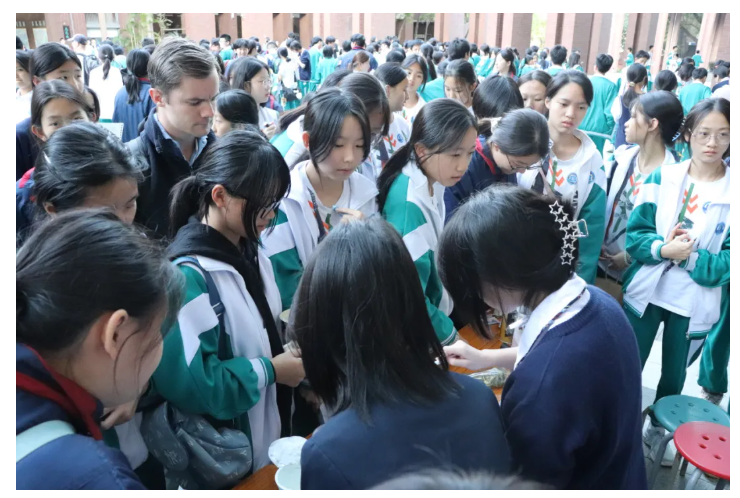
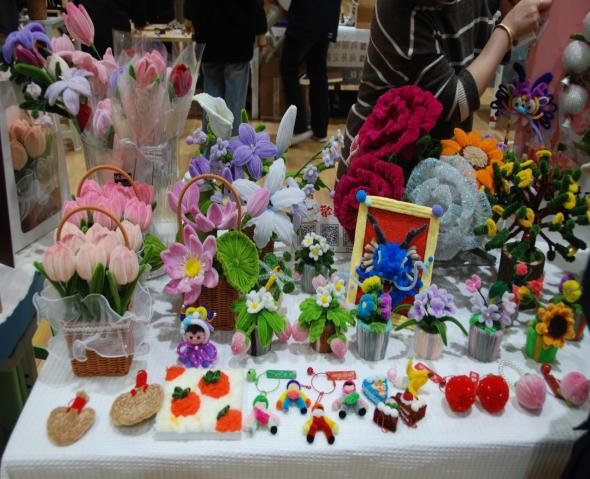
The New Year market will include 12 intangible cultural heritage projects, such as rope weaving, twisted flower, handmade chopsticks and plate buttons, to create a traditional culture atmosphere and promote the inheritance of intangible cultural heritage.
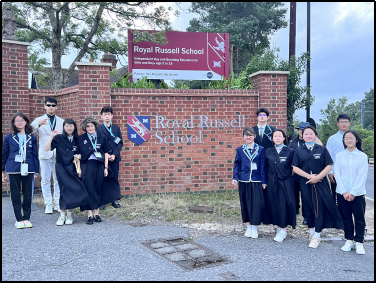
Visit Oxford University and other famous universities, experience the British education system, participate in English drama teaching in Lambrook School to improve language ability.
Visit prestigious universities such as the University of Tokyo and Kyoto University to experience traditional Japanese culture such as tea ceremony and flower art.
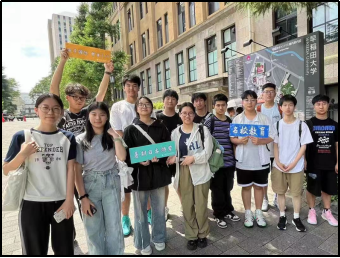
Visit Hong Kong University of Science and Technology and other universities to learn about the education system in Hong Kong and experience the urban culture.
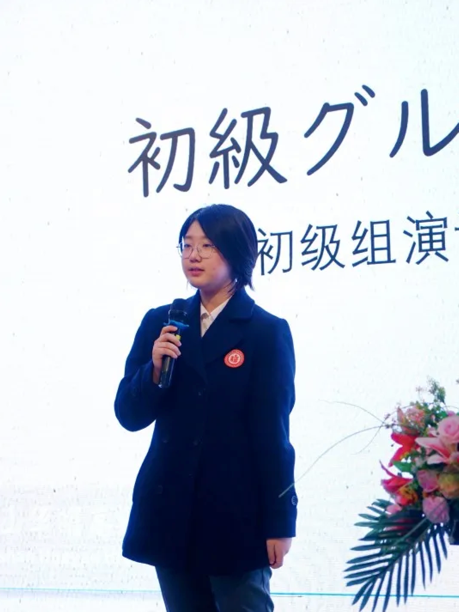
Japanese speech contest, sponsored by Casio China, has 12 contestants in each junior and intermediate group to enter the final. The competition requires a full Japanese speech with the theme ‘My Family’ or ‘My Favorite Character’, and the judges are composed of Chinese and Japanese teachers.
It consists of two stages: immersive learning at the partner school Chase Grammar School, and visiting famous universities such as the University of Birmingham, Oxford University and Cambridge University, and visiting cultural attractions such as museums and Shakespeare’s home.
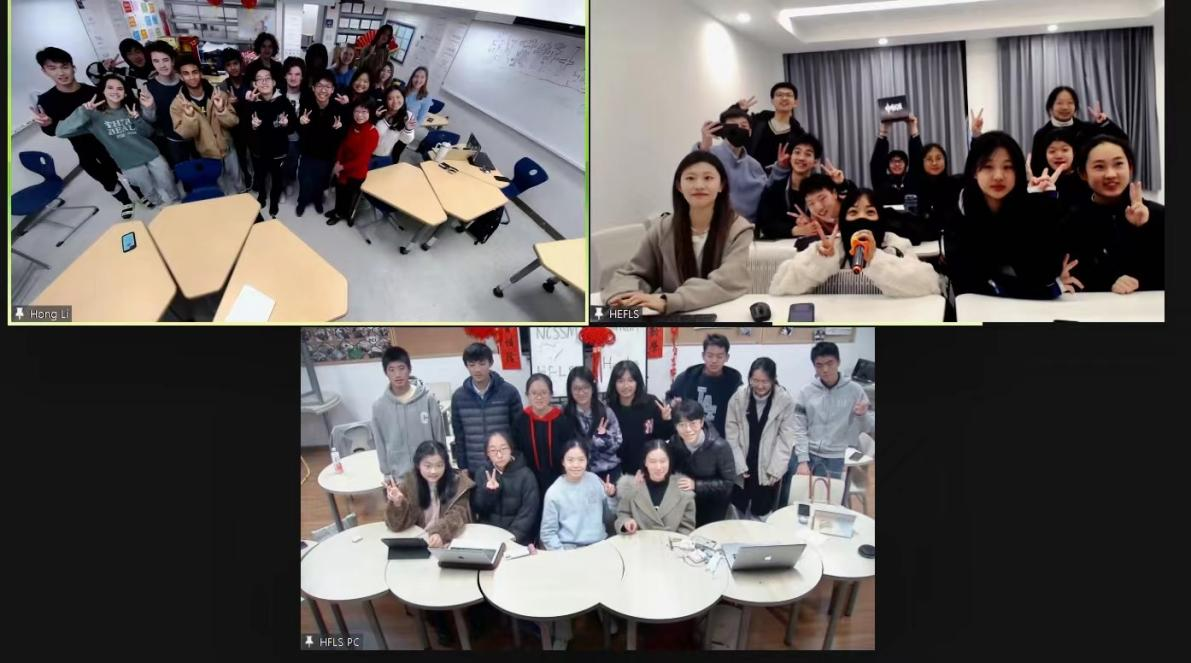
Through video conferencing equipment, we have established virtual exchanges with schools in many countries around the world, and carried out activities such as cultural theme discussions and academic exchanges, covering Japan, Australia, Germany and other countries.
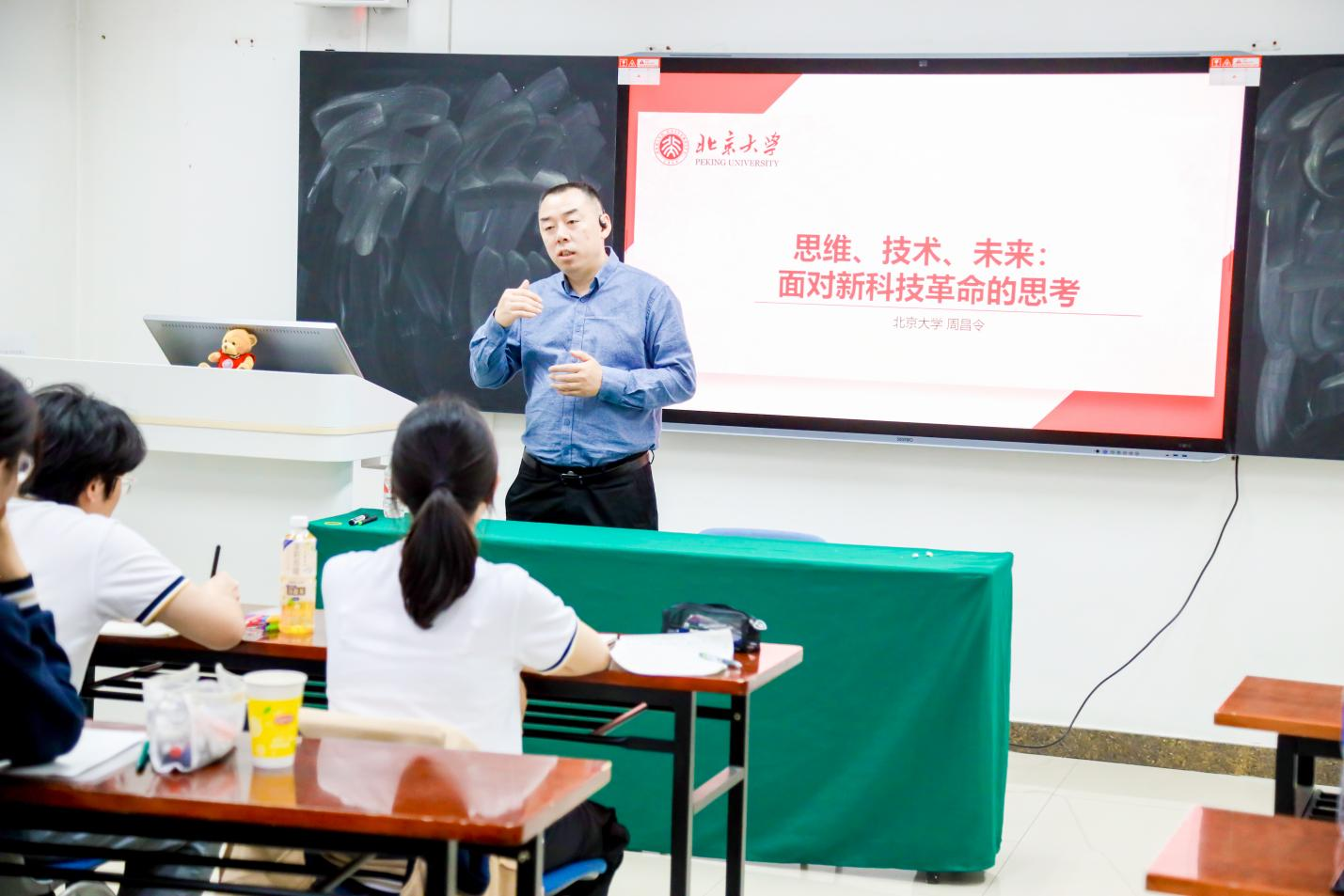
The "PKU Yanyuan Double A Program" is an educational excellence program jointly launched by Peking University and the High School Department of Beijing Xin Fuxue International Academy. The professor group from ten major fields of Peking University is fully involved in the cultivation of outstanding students in AP and A-Level and strive for admission to the top 30 universities in the world. Students participating in the "PKU Yanyuan Double A Program" will go to Peking University for in-depth study every semester. During this period, students will be deeply involved in various academic activities at Peking University and have face-to-face exchanges with professors and associate professors from multiple fields of Peking University as well as experts and managers from various social sectors to understand the academic research results of Peking University.
The course includes leadership theory, outdoor expansion training, campus activity planning and enterprise visit. Students are required to submit a final development report.
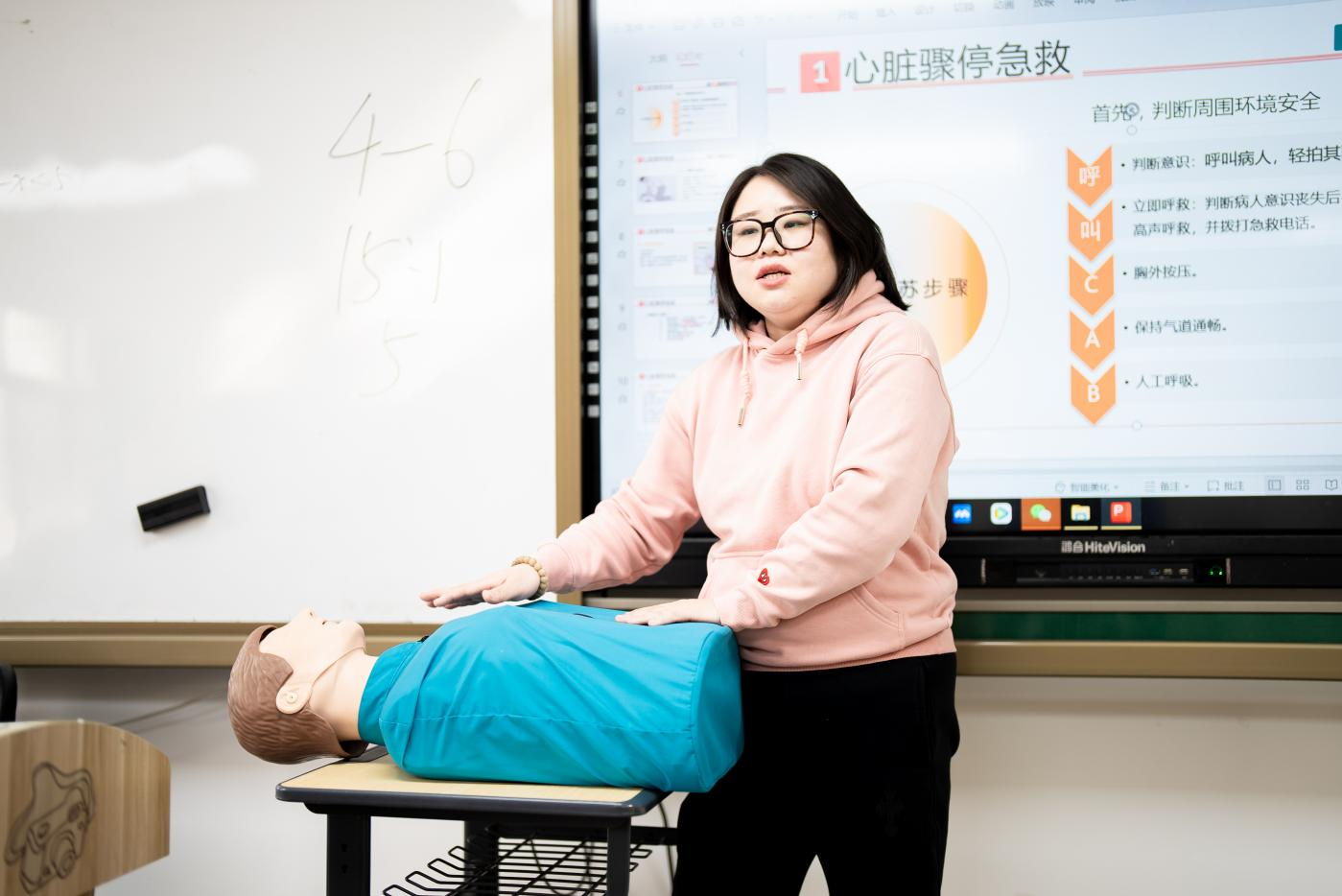
Survival skills training such as medical first aid, nutritious cooking, automobile maintenance, and disaster survival, enhancing their safety awareness.First Aid Course: This course aims to teach students to identify emergency situations and master basic first-aid skills such as cardiopulmonary resuscitation (CPR), wound dressing, and the Heimlich maneuver. It cultivates students’ ability to remain calm and take effective actions promptly when facing sudden injuries or illnesses. Students will be able to provide initial assistance to the injured or sick before professional rescue arrives, thereby saving lives and reducing harm. This helps students enhance their confidence and ability to handle emergency medical incidents in various scenarios, laying a foundation for safeguarding their own and others’ lives.Automobile Maintenance Course: The purpose is to enable students to become familiar with the basic structure and working principles of automobiles, master the diagnosis and repair methods of common automotive faults, and learn to use various automotive repair tools. Through hands-on practice...
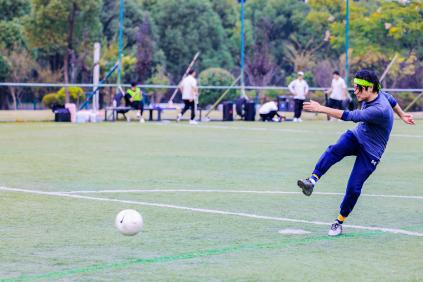
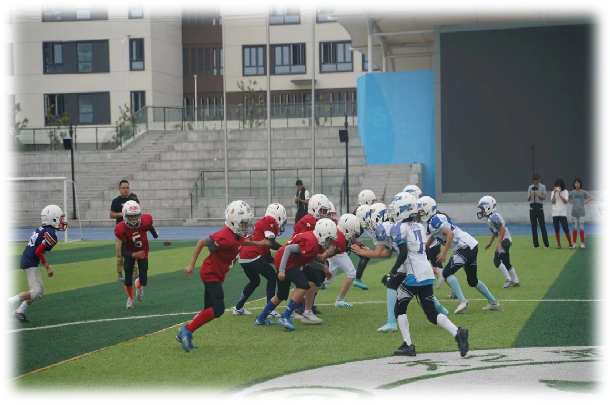
Professional coaches are brought in to teach American flag football, including tactical training and simulated combat, and the school team is formed to participate in national competitions.
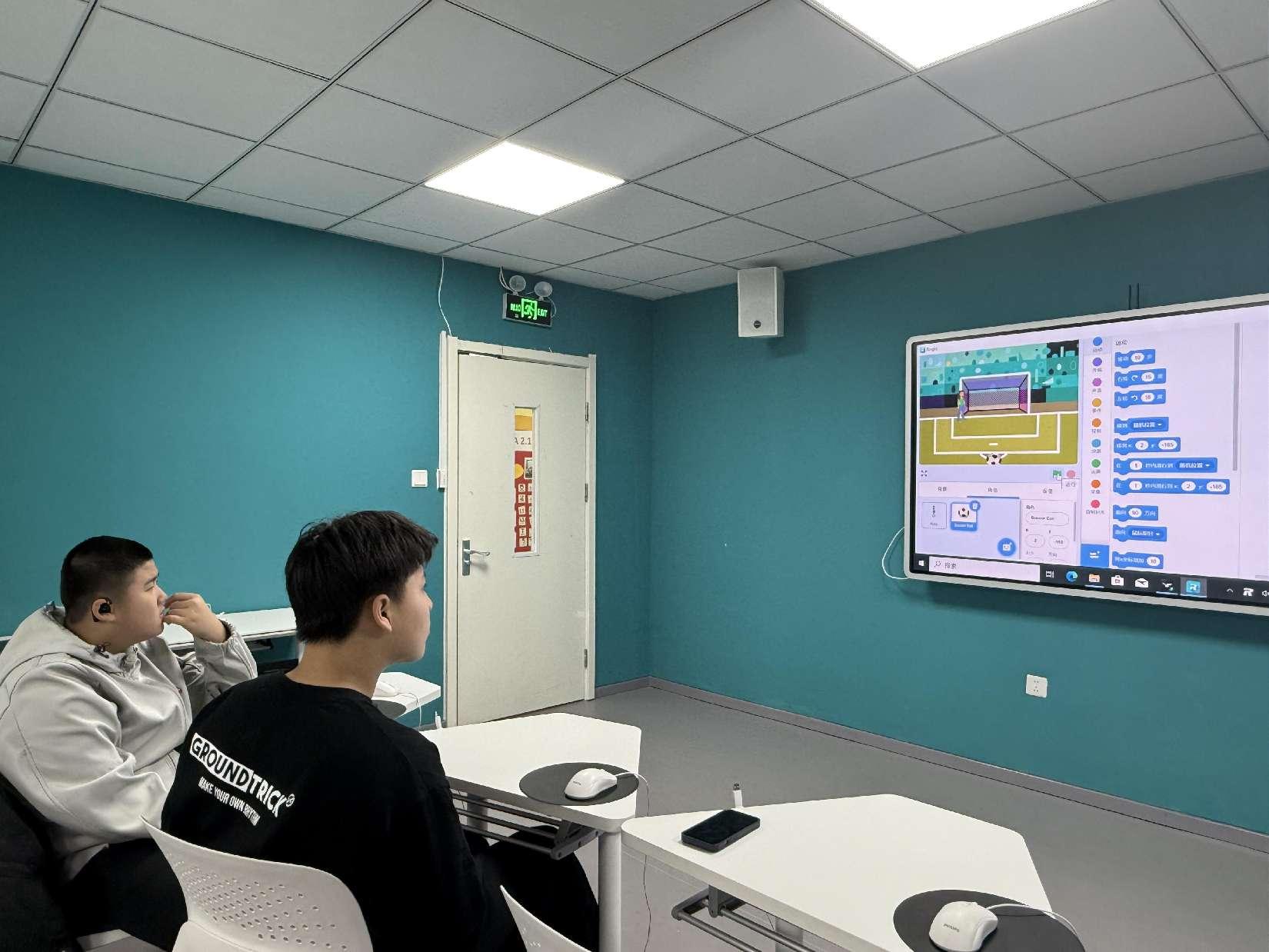
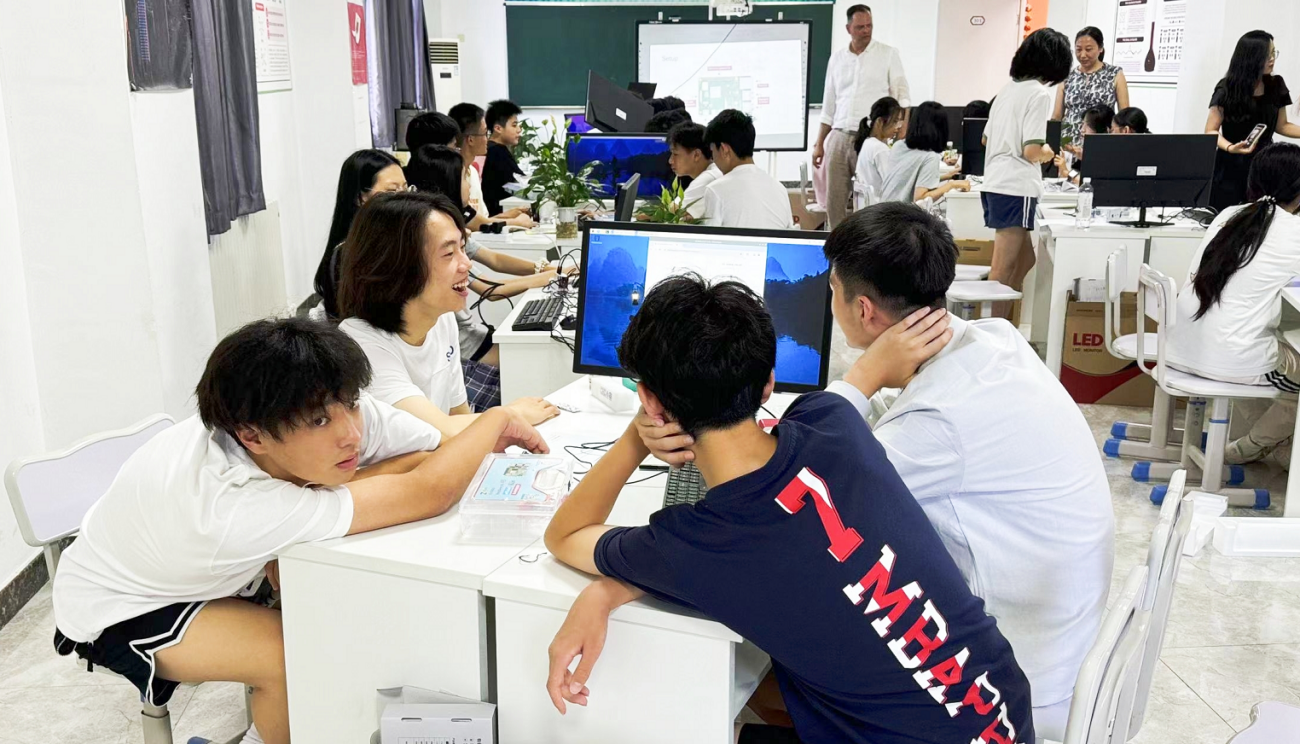
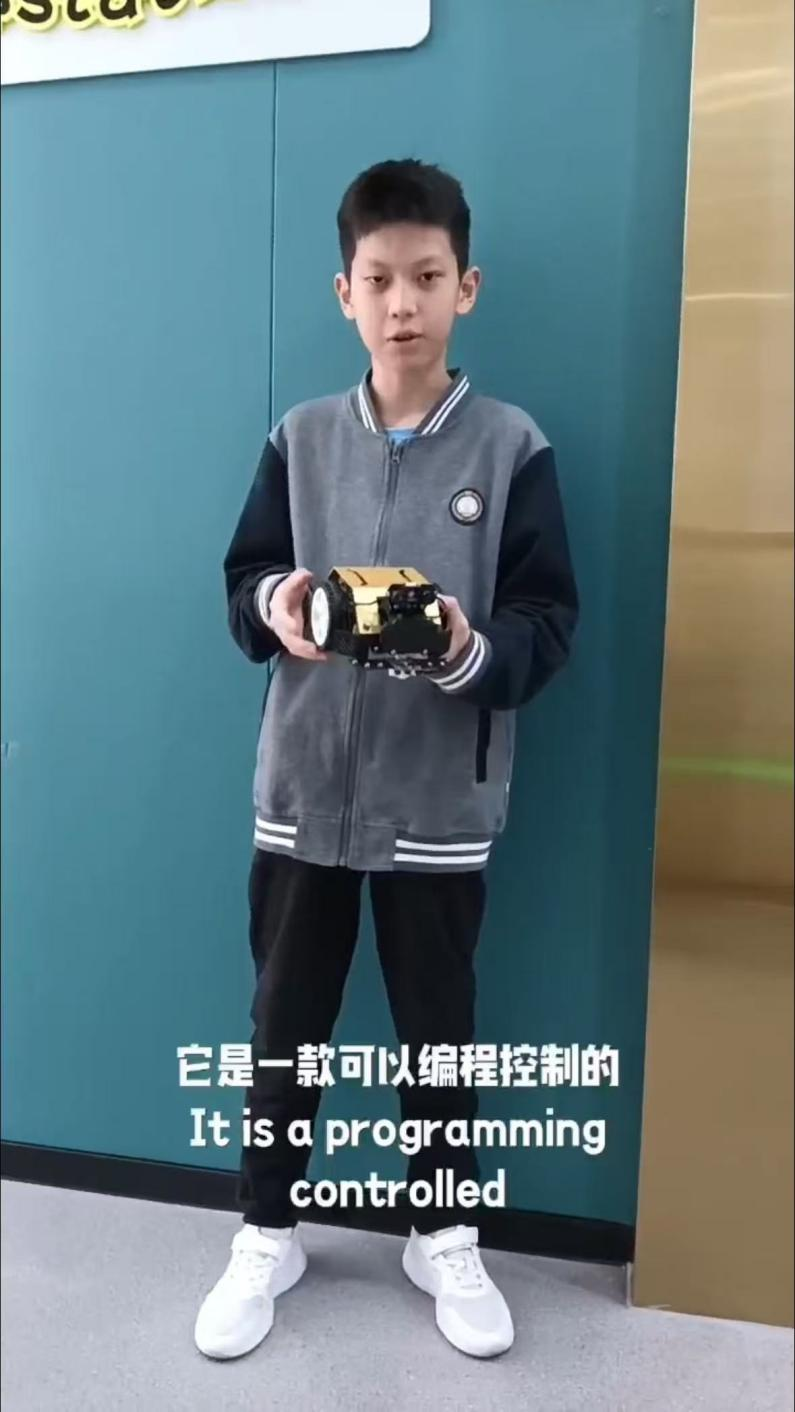
Students participate in the practice of cutting-edge AI and robot projects, including the production of visual recognition equipment and the development of obstacle avoidance cars.
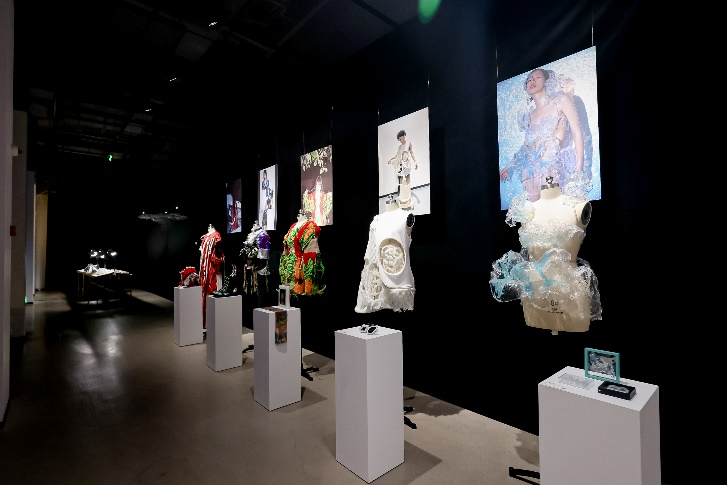
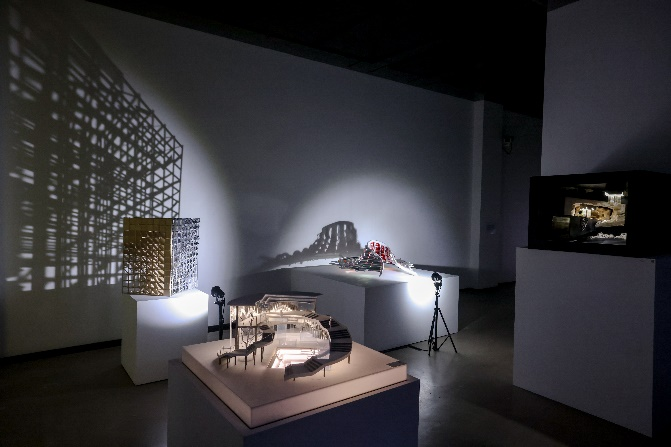
This project is an interdisciplinary art practice project, involving faculty and students from four specialized directions: 3D art, fashion design, graphic design, and fine arts. Focusing on the theme of 'Coexistence,' students completed four series of artistic creations over a period of six months: (1) light and shadow installation work "Natural Coexistence," using biodegradable materials to simulate biological forms, exploring the relationship between humans and nature; (2) sustainable fashion series "Echoes of the Ocean," developing new fabrics from recycled plastic bottles and fishing nets, creating 10 sets of eco-friendly fashion; (3) interactive picture book "A Love Letter to the Future," combining traditional picture books with digital art through AR technology to tell stories of self-identity; (4) digital art project "AI Dialogue with the Renaissance," using generative AI to deconstruct classic artworks. Throughout the project, students had to complete market research, material experimentation, technical challenges, and exhibition setup, ultimately hosting a two-week thematic exhibition at the university's art gallery, attracting over 800 visitors.
This year's art project focuses on the philosophy and social significance of 'objects.' Students explore from three dimensions: (1) the spatial design group constructed a 20㎡ installation titled "Urban Skin" using over 5,000 recycled cans to reflect on consumerism; (2) the fashion design group created the "Commodity Worship" series, blurring the boundaries between the human body and commodities through modular design; (3) the visual communication group published a limited edition zine called "Lost and Found," exploring the relationship between objects and memory through visual storytelling. Key features of the project include: 1) requiring each student to complete a 2,000-word theoretical research paper; 2) introducing an artist residency program, inviting three emerging artists for guidance; 3) collaborating with local environmental organizations to host community art workshops. The final outcomes include: six large-scale installations, two fashion shows, one publication, and a public exhibition at the city art center, which received media coverage.
The New Zealand Two-Week Classroom Immersion Program offers international students a short-term educational experience, allowing them to study alongside local students in New Zealand primary or secondary schools. Participants immerse themselves in the country’s innovative education system and cultural environment.
• Eligibility: Students aged 6–18 with basic English communication skills.
• Duration: 2 weeks (extendable to 1 month), aligned with school terms (excludes holidays). Includes daily academic classes + extracurricular activities, with weekend cultural excursions.
• Key Features:
◦ Authentic Learning: Engage in interactive classes (English, math, science) mirroring New Zealand’s student-centered approach.
◦ Cultural Engagement: Join Māori culture workshops, farm visits, and outdoor sustainability projects.
◦ Language Support: Optional ESOL tutoring to ease adaptation.
Founded in 2019, the International Electronic Music Competition (IEMC) has established itself as one of China’s most influential professional events in the field of electronic music. Over the course of five successful editions, IEMC has forged close collaborations with leading music conservatories and has actively partnered with top-tier enterprises across the industry. The competition remains at the forefront of global developments in electronic music, championing the integration of digital music technology with artistic innovation.
Dedicated to showcasing cutting-edge creative research and diverse musical styles, IEMC serves as a platform that bridges art and technology. By continuously supporting emerging musicians and tech talents, IEMC is shaping a high-level international presence within the electronic music scene. It plays a key role in driving forward the future of electronic music and music technology, promoting innovation and excellence across disciplines.
The ACT® Global Assessment Certificate™ (GAC) is a university preparatory program designed to equip international students with the academic and practical skills required for success in English-medium tertiary education. Developed in 2002 and owned by ACT Education Solutions, the program emphasizes critical thinking, communication, collaboration, and cross-cultural understanding. It is structured into three levels (Level I–III) with a total nominal duration of 720 classroom hours + 360 independent study hours, delivered over 12 weeks per level.
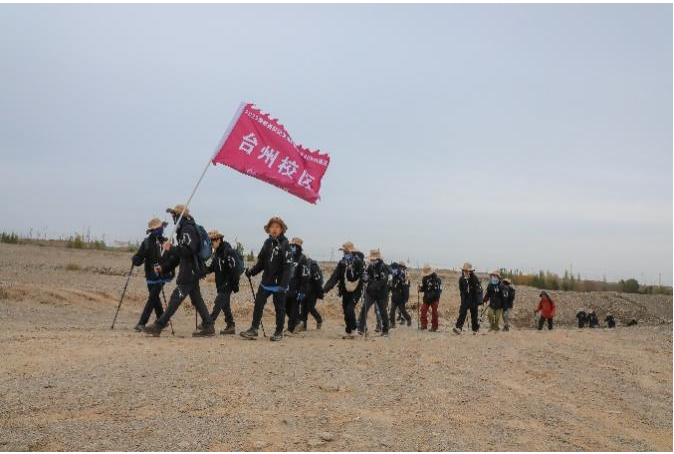
This project is the core of Cambridge's distinctive school-based curriculum. G9 students complete the following through retracing Xuanzang's journey westward: 1) a 40-kilometer desert trek, 2) cultural investigations in four cities along the Belt and Road (Taizhou port economy, Xi'an historical relics, Dunhuang art conservation, Urumqi frontier trade), and 3) group research projects (each group completes one "New Silk Road Economic and Cultural Report"). The project integrates history, geography, and economics, adopting an 'advancing teaching method,' with daily schedules: 6 hours of walking/exploration + 3 hours of group discussion + 1 hour of mentor guidance. The 2023 outcomes include: 1) the development of a school-based textbook titled "Silk Road Journey," 2) establishing sister-school relationships with three schools along the route, and 3) student reports winning municipal awards for youth social science achievements.
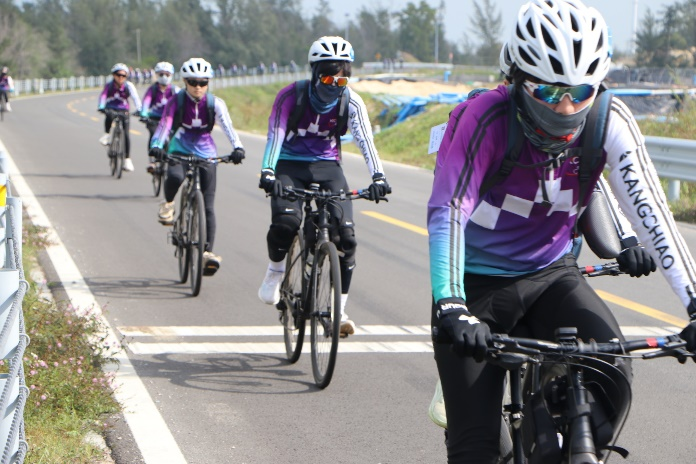
As an advanced project of the Elite Program, students must complete: 1) a 1,200-kilometer cycling tour around Hainan Island (averaging 60 kilometers per day), 2) 10 leadership challenge points (including: teaching at rural primary schools, environmental awareness campaigns, folk culture research, etc.), 3) an English presentation of their findings. The project adopts a 'Knight Team System' (5 members per team), with: 2 professional cycling coaches, 1 medical support staff, and 3 subject mentors. Evaluation criteria: 1) physical fitness indicators (heart rate/endurance), 2) leadership performance (team coordination/crisis management), 3) academic achievements (research report + English presentation). All participants completed the challenge in 2023, with the best team setting a record of completing the course in 8 days.
Systematic training is conducted under the guidance of international coaches, including physical training, technical training and practical simulation. The school regularly organizes international friendly matches and cultural exchange activities.
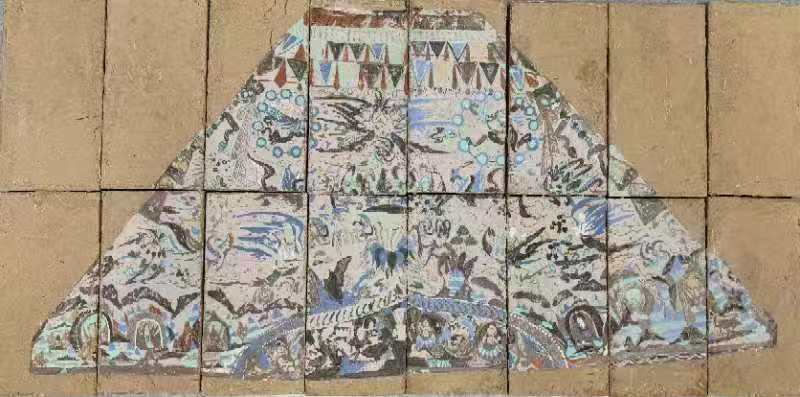
Dunhuang Cultural Relics Appreciation And Restoration Extension Course
This project is an interdisciplinary PBL course, designed around the three modules of Dunhuang culture: 1) Art appreciation (studying classic murals such as "The Nine-Colored Deer" and "Flying Apsaras"), 2) Restoration simulation (creating replicas using rock color techniques), 3) Conservation advocacy (writing proposals and conducting publicity). Students complete one mural copy, one porcelain restoration piece, and two conservation plans through digital resources + field visits. The course integrates art, history, and technology. In 2023, the outcomes included: 1) Hosting a campus exhibition on Dunhuang culture, 2) Establishing cooperation with the Dunhuang Academy, 3) Students' works winning municipal cultural heritage protection innovation awards.
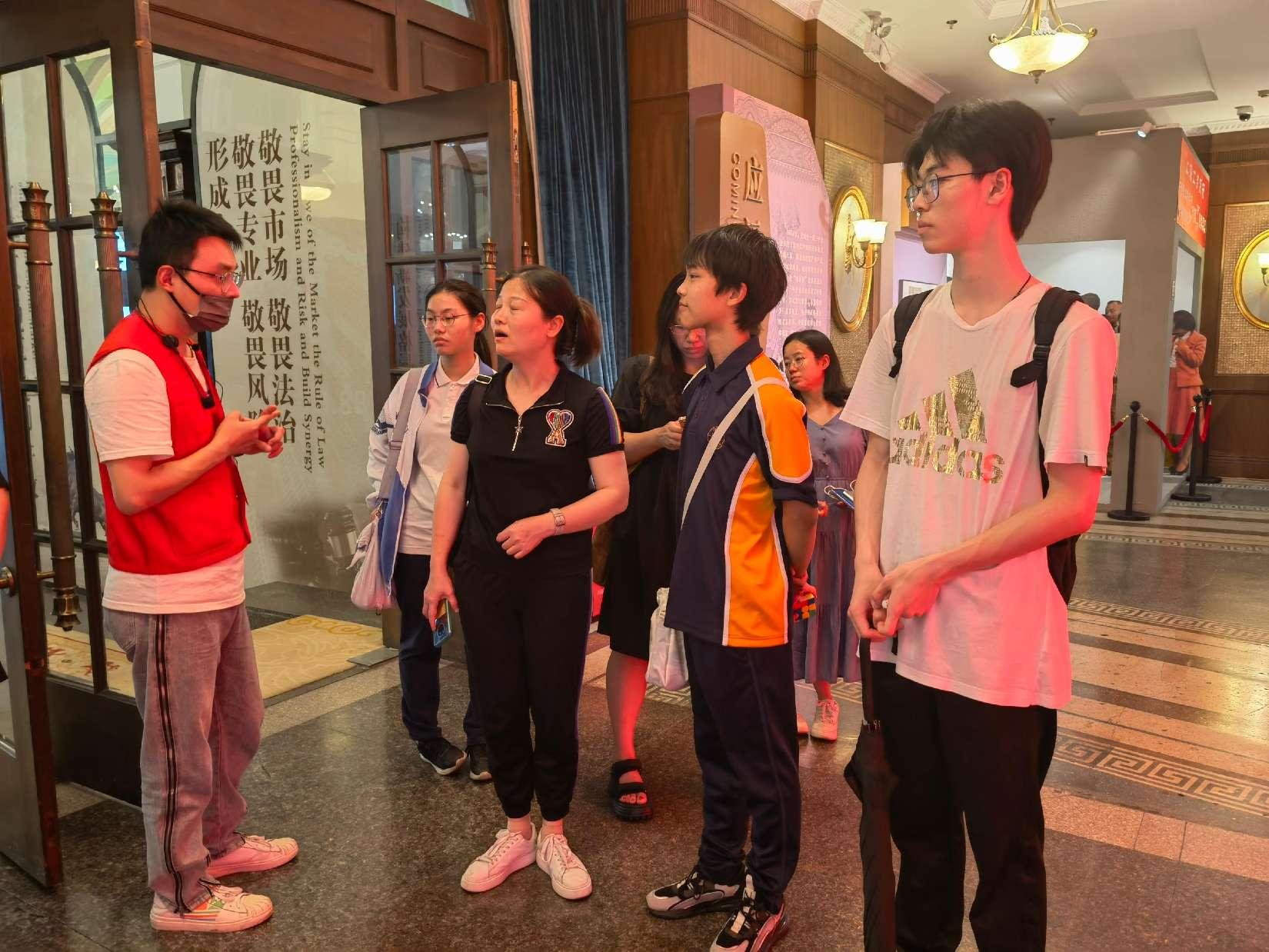
Interdisciplinary Field Study Project, Integrating: 1) History (architectural change research), 2) Geography (commercial space analysis), 3) Language (folk literature collection), 4) Politics (traditional business transformation). Students must complete: one research report, three interview records, and one proposal. In 2024, it covered over 200 students, resulting in the "New Life of Old Streets" proposal set, which was adopted by the local government.
Top Ten Career Directions for In-Depth Experience: 1) Finance (Headquarters of Bank of Communications) 2) Technology (Shanghai Institute of Electronics) 3) Aerospace (Aerospace Eighth Academy), etc. Each student completes: 4 hours of on-the-job practice + 2 career interviews + 1 career planning document. In 2024, participation rate was 100%, resulting in 120 "Career Exploration Reports," and 6 students received internship offers from companies.
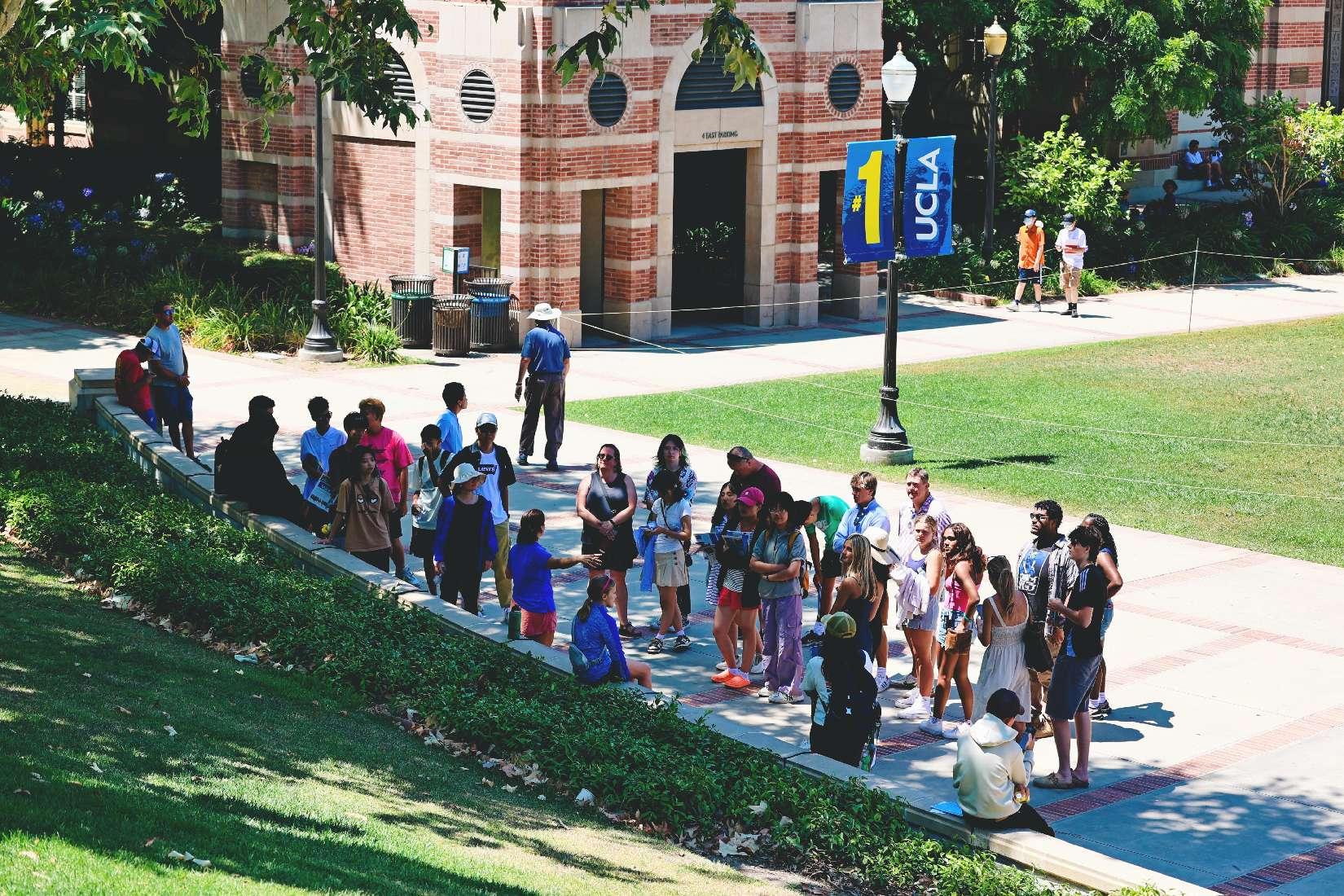
The summer deep study program includes: 1) prestigious course experiences (Harvard leadership workshop / Oxford academic writing, etc.), 2) cultural immersion (host families + community service), 3) professional exploration (lab visits / career interviews). In 2024, 83 students were dispatched, with the following outcomes: 28 earned university credits, 41 professors provided letters of recommendation, and 65 research reports were submitted. Three students received full scholarships for the summer school.
Formation of professional school teams to participate: 1. Football: CSAASL League Shanghai runner-up 2. Basketball: CSAABL League 3. Field hockey: National U18 Elite Group runner-up. Implement the 'three practices and one competition' system: –three specialized training sessions per week–one exchange match per month–one physical fitness test per semester. In 2024, cultivate 8 national second-level athletes.
The project-based learning curriculum includes: 1) Studios Boot Camp freshman training camp; 2) Grade 9 group projects (2–4 people per group, lasting one semester); 3) Grades 10–12 optional group or independent projects (requires mentor approval). All students must participate in the Pitch Week mid-term presentation during the semester and present their final project at Exhibition Week at the end of the semester.
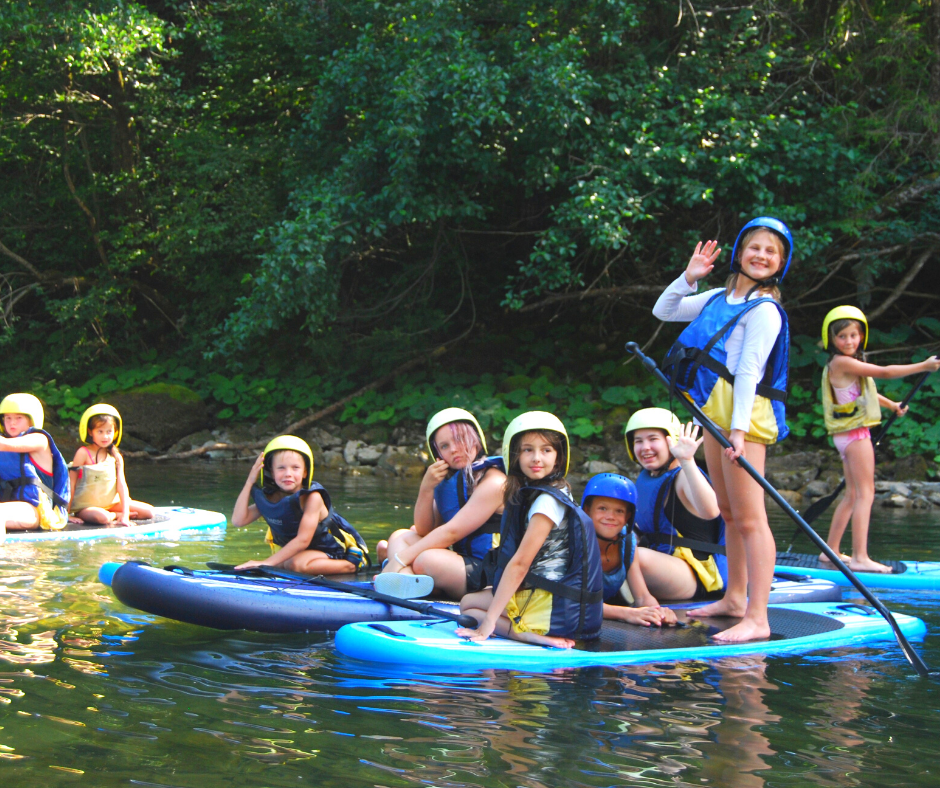
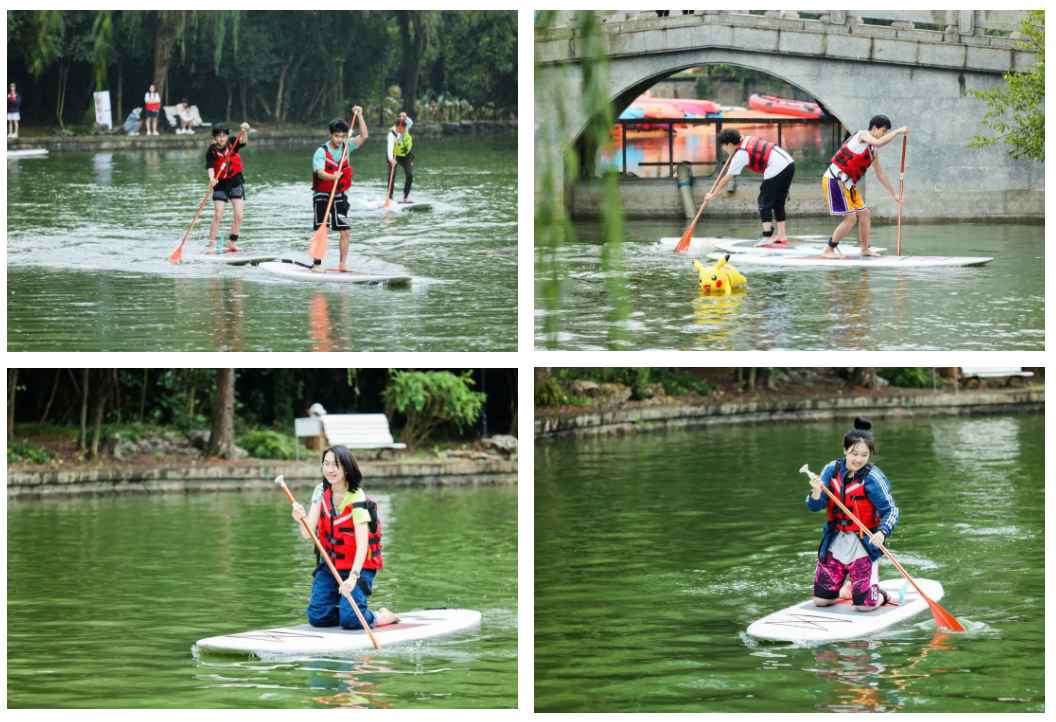
Offering kayaking and other water sports courses, teaching skills such as paddling, steering and safety measures, and holding competitions at the end of the semester that include paper boat racing and water gun battles.
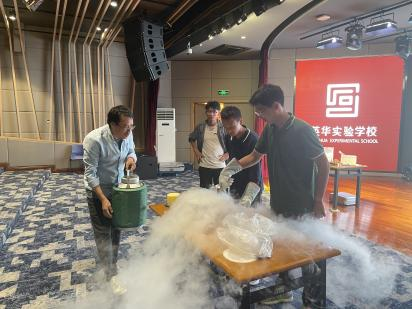
In collaboration with universities such as the University of Science and Technology of China, Harbin Institute of Technology, Tianjin University, and Peking University, four cutting-edge technology laboratories have been established: 1) Quantum Technology Laboratory 2) Artificial Intelligence Robotics Laboratory 3) Chemical New Materials Laboratory 4) Superconducting New Energy Laboratory. Selection is based on written tests and interviews, with a two-year training period: the first year focuses on completing 4–5 project explorations, while the second year involves independent research. There are two project classes and one Q&A session per week, with mentors regularly guiding academic reading, writing, and experiments.
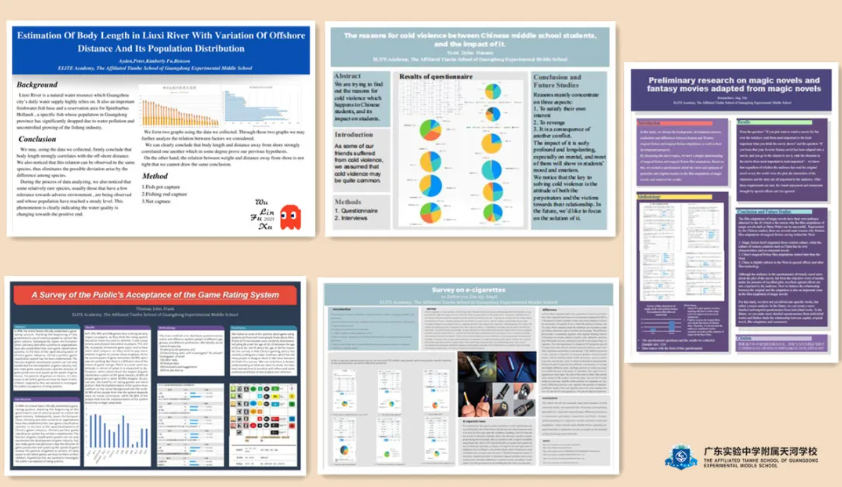
The system trains high school students in research methodology and lays the foundation for their future scientific research development through project-based learning. The course content includes core research method training such as research design, data collection and analysis, academic writing, etc.
In combination with school-enterprise cooperation, professionals are invited to share their professional experience to help students clarify their major direction and understand the application process of overseas universities.